Upgrade your kitchen and bathroom with custom storage! Partner with top cabinet companies for quality craftsmanship, custom designs, and expert installs.
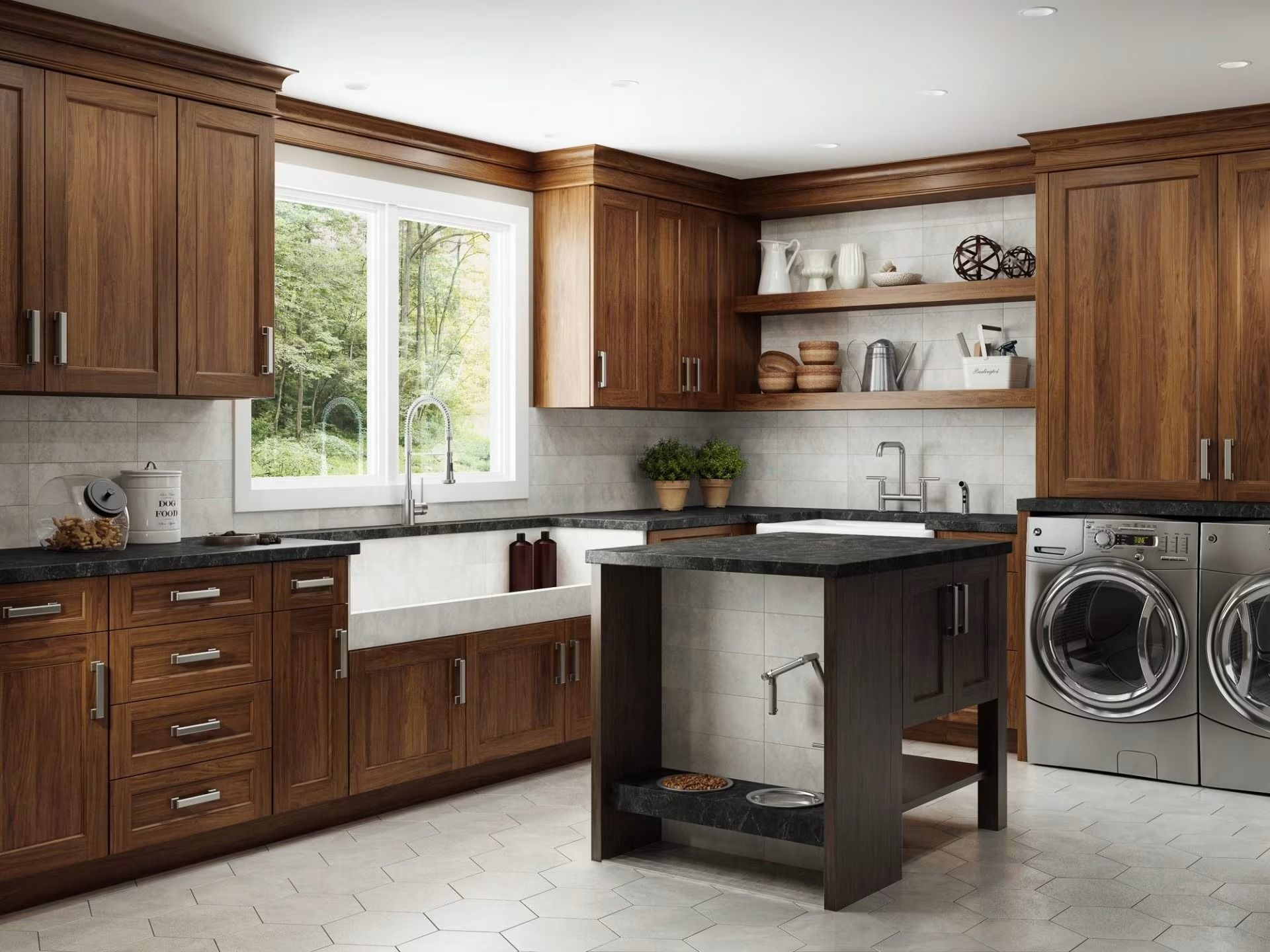
Premium Wholesale Cabinets is thrilled to announce that we were named the #1 dealer in the Southwest and #2 in the nation for the prestigious Bridgewood Cabinetry brand! Our esteemed standing with this quality cabinetmaker means we can provide you with a better-quality-for-the-dollar product. As well as a higher level of design and service than is available through many other cabinet options. Our relationship also allows us to pass on great benefits to you including: Better pricing on some of the nation’s best-made cabinetry Hardware upgrades – because the finishing touches matter Shipping discounts to seal the deal Made in the USA We’re proud to be associated with well-designed, high-quality cabinets at affordable prices. Bridgewood builds right here in the USA, in Chanute, Kansas – the true American Heartland. Their workmanship demonstrates a commitment to the quality craftsmanship and value this country is known for! Affordable Prices Bridgewood produces a product line that is flexible enough to meet most budgets, but custom enough to meet almost any customer’s needs. Unlike many production cabinets, your kitchen is built to your specifications to fit only your home. State-of-the-Art Manufacturing With over 220,000 square feet of manufacturing space, Bridgewood uses state-of-the-art equipment. While still using an old-world craftsmanship to offer you a high-quality durable product at a very competitive price. Your Home For Quality, Design, and Service At Premium Wholesale Cabinets, we have an unmatched understanding of Bridgewood and demonstrated expertise in all facets of the kitchen and bath industry. For over a decade, Premium Wholesale Cabinets of Arizona has impressed clients with unmatched service and superior skill. Locally owned and operated, our services include bathroom and kitchen renovations. Here at Premium Wholesale we also do new builds, with custom cabinet lighting, countertops, hardware, and more. We strive to make your living spaces functional and beautiful at a price that suits your budget. Count on us for inspiring cabinetry custom tailored to meet your vision! Arizona’s Premium Cabinet Company What sets Premium Wholesale Cabinetry apart is the amount of time that we take. We always do our best to understand each individual client’s needs, goals, and style. To ensure that we understand our client’s needs in order to match them with the absolute best cabinetry for their buck. We take the time to educate clients on the basic principles that impact the value and cost of a cabinet, to ensure they understand the vast range of quality and styles available. Premium Wholesale Cabinetry works hard to guarantee that the cabinets you choose are perfectly suited to your space, in quality, materials, design, and craftsmanship. This custom approach elevates us above the competition to let our clients feel confident they are seen, heard, and valued. Here at Premium Wholesale Cabinetry we go the distance to build a space that works for you. Down to the most finite details of your cooking habits! Our team takes the time to get to know you, allowing us real insight into the space that is going to serve you best. It’s not an “off the shelf’ solution, but instead a carefully crafted masterpiece made to enrich your life and home. Because there is a world of options to choose from, from raw materials, hardware, craftsmanship, and finish, you can feel confident our team is with you every step of the way. We can guarantee we will create a space you delight in. We aren’t here to sell you something, but instead to co-create beautiful cabinetry that serves your home and family for years to come. Let us show you how we can transform your space with Bridgewood Cabinets! Get in touch today for a free, no-pressure estimate!

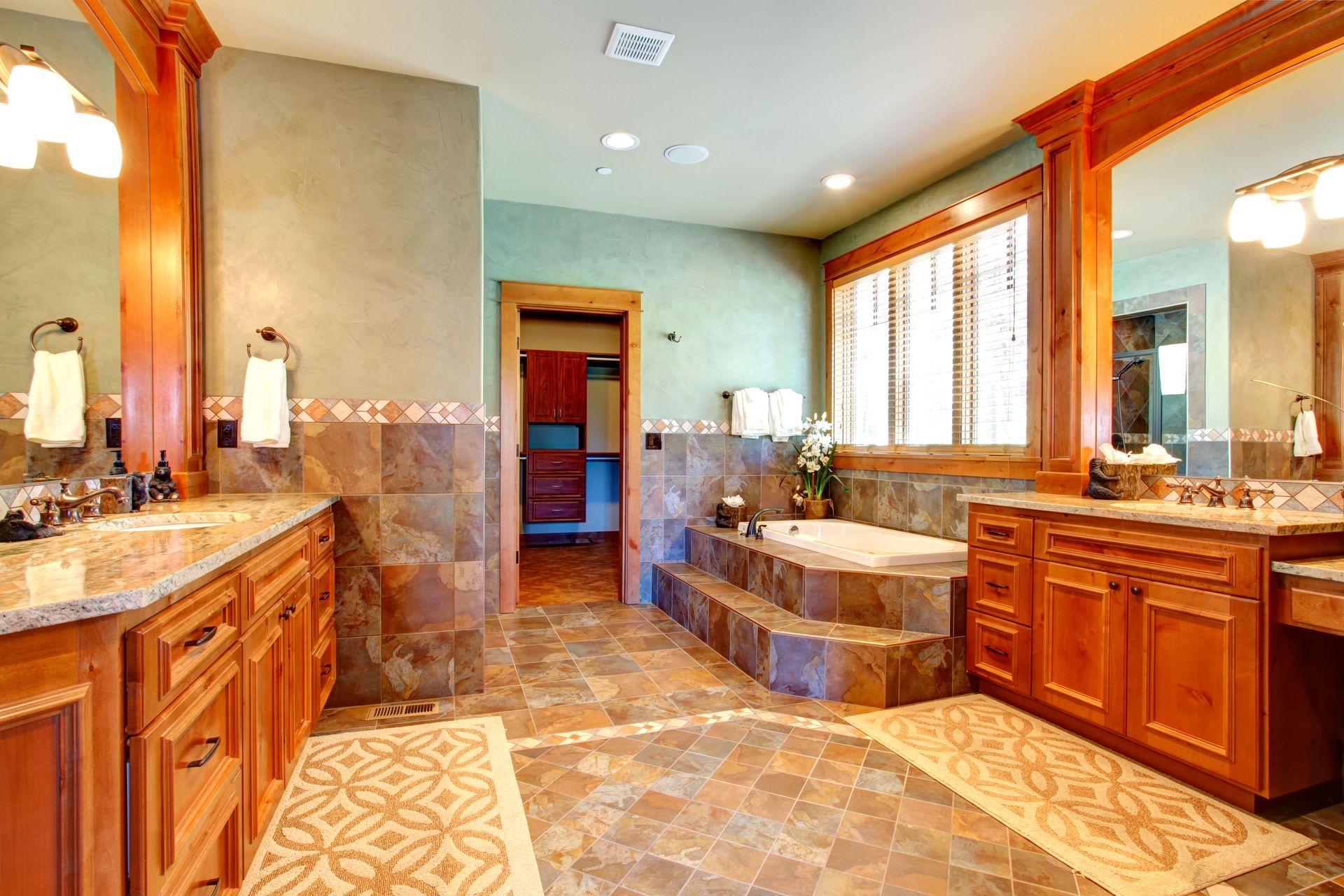
We are delighted to announce that Premium Wholesale Cabinets has been awarded the 2023 Phoenix Home & Garden Readers’ Choice award! This prestigious award from Phoenix’s celebrated glossy honors “people and local businesses that make your home beautiful, your landscape lush or your lifestyle luxurious.” We are thrilled to have been nominated by Phoenix residents and to have our workmanship and customer service acknowledged by our friends! Winning Customer Service At Premium Wholesale Cabinets, customer service is at the heart of our mission. We understand that your living space is sacred – it’s where you do your best work, connect with family, and entertain friends. Creating a space that suits your needs and our vision is our passion, and we strive to make it seamless and fun. We go the distance to build a space that works for you. Down to the finest details of your cooking habits! Our team takes the time to get to know you, allowing us real insight into the space that is going to serve you best. It’s not an “off the shelf’ solution, but instead a lovingly crafted masterpiece made to enrich your life and home. Because there is a world of options to choose, from raw materials, hardware, craftsmanship, and finish. You can feel confident our team is with you every step of the way to guarantee we will create a space you delight in. We aren’t here to sell you something, but instead to co-create beautiful cabinetry that serves your home and family for years to come. Something for Every Style and Budget One thing that sets us apart from the competition is the dizzying array of premium cabinets we offer. No matter your needs, taste, or bottom line, we have something to fit the bill. At Premium Wholesale Cabinets we offer a curated selection of the industry’s best aesthetic kitchen and bathroom cabinetry to suit a range of budgets and tastes. Domestic and imported, we have that perfect something to complete your aesthetic kitchen design or renovation. With a suite of colors, glazes, and materials, we’ll elevate your space with quality workmanship and design. From solid wood doors, hand rubbed finishes, and quality components such as soft close drawers, expect the best. Know that one call to Premium Wholesale Cabinets of Arizona is all you need to take your kitchen or bathroom to new heights. We carry premium cabinetry brands such as: Greenfield Cabinetry Siteline Cabinetry Waypoint Living Spaces WoodMode Danver Stainless Outdoor Kitchens Envoy Cabinetry ERA Cabinetry Bridgewood Cabinetry. Design to Impress Our designers bring to every project a level of insight and acumen that ensures your finished space will exceed your expectations in both form and function. To begin, we first meet with clients to gain a nuanced understanding of how they use their home. We dive deep into details of time and motion – including the space’s ideal layout and flow. We take into account how you live in your space to implement a design philosophy that creates the best possible experience for you, your family, and your guests. Next, we talk form and finish. Our designers work tirelessly alongside each client to understand their taste, style, and vision to create a space that inspires. Our team’s level of experience instills confidence, so you can enjoy the process and the thrill of custom workmanship! Need Some Inspiration? Our gallery is your go-to destination for design ideas and inspiration. You’ll find beautiful designs from classic to modern, a host of creative solutions to space constraints, and artful execution in every room of the house! We believe the best promotion of our business is the work itself. Our team is committed to perfection when it comes to aesthetic kitchen makeovers, bathroom designs, custom cabinetry, and everything in between. Our customers’ satisfaction, our attention to detail, and unparalleled service are the heart and soul of our business. You can count on our designers to bring skill and artistry to every project. They are innovative, creative, and passionate about seeing your vision and creating beautiful designs, all within budget. This is the ethos that wins awards! The Word is Out Our clients have spoken – Premium Wholesale Cabinets is their trusted name in cabinetry for unmatched service and superior skill. Come see what all the fuss is about! Our job at Premium Wholesale Cabinets is to understand your needs, style, and space and make a plan that fits your budget. With over 100 years of combined design experience, our team understands the nuances of each project and delivers inspiring results. Get in touch for an estimate and get started on your project today! A wholehearted thank you to everyone who voted for us! You made us a winning name in Phoenix cabinetry!